
Dyslexia in Defence — Empowering Dyslexic Talent
For serving personnel, veterans, civil service, and industry
Empowering dyslexic talent across Defence, before and after service.
Supporting the 10% to enable their 100%
We are here for serving personnel, and for those preparing to join or who have already transitioned out.
18,205
serving UK Armed Forces personnel are likely to be dyslexic — 10 per cent dyslexia prevalence applied to a total strength of 182,050.






Based on UK dyslexia prevalence estimates of 1 in 10 people, applied to MOD Quarterly Service Personnel Statistics, 1 January 2026.
Why we are here
More dyslexic people, less guaranteed support
How Defence ended up with a higher share of dyslexic people than most workplaces, and a weaker legal safety net around them.
Three levels explain why Dyslexia in Defence exists: Defence has long attracted dyslexic people; the legal duty to adapt does not apply in the same way to the Armed Forces; a higher share of dyslexic people faces less guaranteed support.
Who joins
Defence has long attracted dyslexic people
The Services offer practical, hands on careers that suit many dyslexic strengths, and many people who did not thrive in the classroom chose to join. The likely result is a workforce with more dyslexic people than a typical employer.
NHS (around 10% of the population). Contact Magazine, British Dyslexia Association, September 2024 (Defence figure may be closer to 1 in 5, including many undiagnosed).
The rules
The legal duty to adapt does not apply in the same way
Under the Equality Act 2010, civilian employers must make reasonable adjustments for disabled people. The Armed Forces are exempt from the disability discrimination provisions of the Act in relation to service. Support is instead set by Ministry of Defence policy, JSP 822, and is provided where feasible.
The result
More dyslexic people, less guaranteed support
A bigger share of the workforce, with a lower guarantee of adjustments. Whether someone is supported depends on policy, their unit and whether they feel able to ask.
Where learning needs are discussed at the start, 82% of people rated a course fully or mostly accessible. Where they were not, 25% did.
That gap is why Dyslexia in Defence exists.
Sources
- NHS: Dyslexia (opens in a new tab)
- British Dyslexia Association: Contact Magazine, September 2024
- JSP 822 Volume 7: Specific Learning Differences (PDF) (opens in a new tab)
- Equality Act 2010 (opens in a new tab)
Real stories from across Defence
Dyslexia affects people differently. Read lived experiences from people across the defence community.

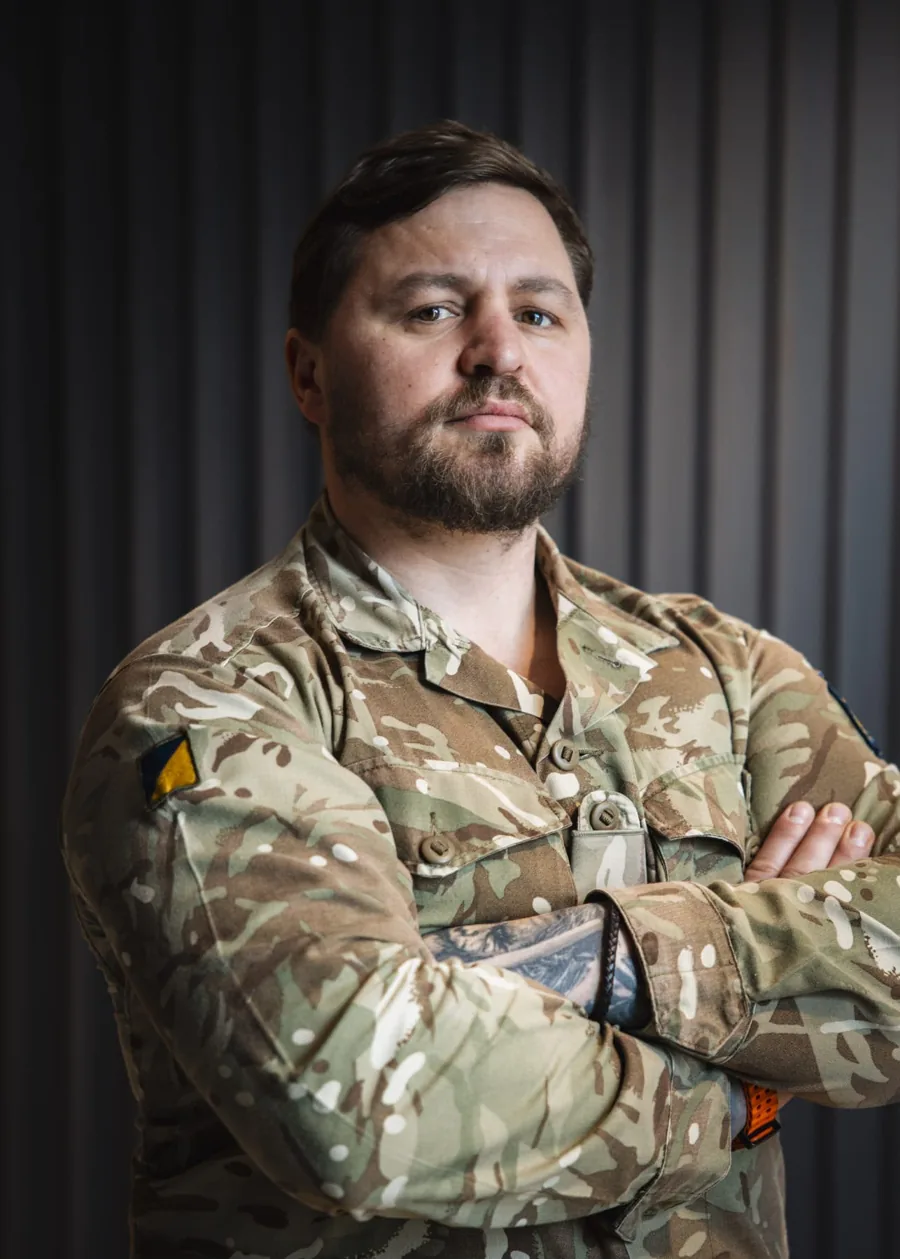

Behind the 18,205
What people across Defence are telling us
- 2,000+
- Defence Dyslexia Network members
- 228
- training responses
- 92
- lived experiences shared
Support Beyond Us
Independent organisations we work alongside and are happy to recommend.







What We Do
We connect dyslexic individuals across service, transition, and industry environments — providing peer support, curated resources, and signposting to trusted services.